
1. Area of Operations Overview
Welcome to Costa Rica. If this is your first deployment to the region, prepare for a rugged, highly biodiverse playground bridging North and South America. Known for its incredible eco-tourism, pristine rainforests, and world-class surfing, it is the ultimate tactical strike zone for wave hunters.
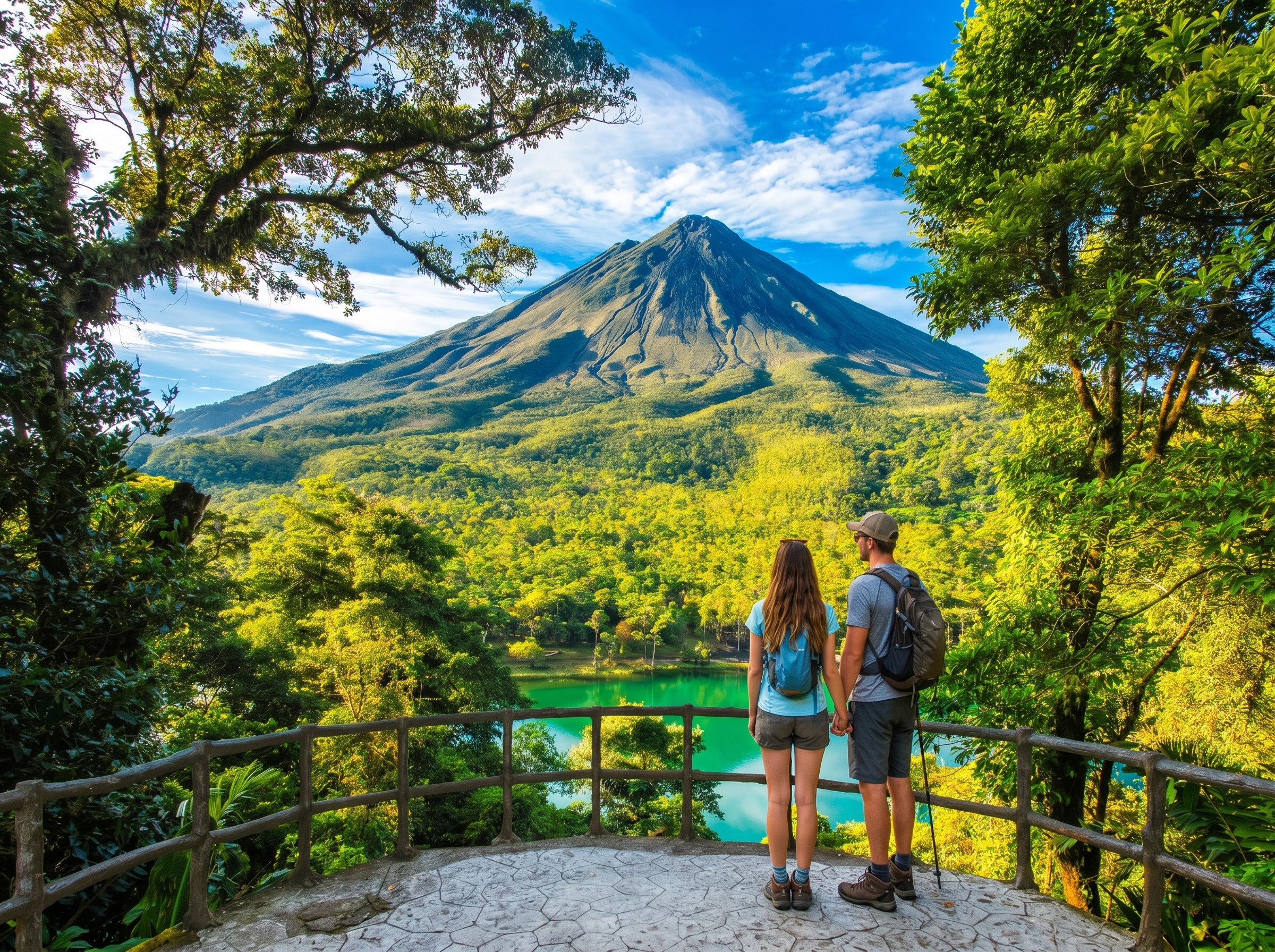
The Iconic Arenal Volcano
Beyond the surf, the interior features active stratovolcanoes, hot springs, and dense cloud forests teeming with jaguars, sloths, and exotic birds.
The Lay of the Land: Costa Rica borders Nicaragua to the north and Panama to the south. It is politically stable (it abolished its army in 1948), incredibly safe for tourists, and operates heavily on eco-tourism. The geography is split by a central mountain range, creating two distinct coastlines: the rugged, surf-heavy Pacific side, and the lush, laid-back Caribbean side.
2. Airport Infiltration
Costa Rica has two primary international airports. Choosing the wrong one can add 6+ hours of grueling driving to your trip. Select your insertion point based on your target surf zone.
Liberia (LIR)
GuanacasteGuanacaste Airport (formerly Daniel Oduber Quirós). Smaller, less chaotic, and incredibly close to the northern beaches.
- Best for Tamarindo (1.5 hrs)
- Best for Nosara (2.5 hrs)
- Terrible for Caribbean/South
San José (SJO)
Central / SouthJuan Santamaría International. Located in the bustling capital. Often has cheaper flights but requires navigating city traffic.
- Best for Jaco / Hermosa (1.5 hrs)
- Best for Dominical (3 hrs)
- Best for Puerto Viejo (4 hrs)
Ready to secure your insertion point?
Check current fares into San José (SJO) or Liberia (LIR).
Compare Flights to Costa RicaPowered by Aviasales.
3. Visas & Bureaucracy
Don’t get turned around at the gate. Costa Rican immigration is notoriously strict about a few specific entry requirements.
The “Onward Ticket” Rule
You MUST have proof of an outbound ticket leaving Costa Rica within your 90-day tourist visa window. If you show up to your departure airport without a return flight or a bus ticket out of CR, the airline will deny you boarding. No exceptions.
90-Day Tourist Visa
Most North American and European passports receive an automatic 90-day visa upon entry. No pre-application required.
Passport Validity
Your passport must be valid for at least 3 months beyond your planned date of departure from Costa Rica.
4. Ground Transport
The roads between the airport and the beach are generally paved, but accessing the actual surf breaks almost always requires navigating dirt, mud, and river crossings.
Rent a 4×4 (Highly Recommended)
If you are visiting spots like Santa Teresa, Nosara, or Pavones, high clearance and 4-wheel drive are non-negotiable. Book well in advance during the dry season (Dec-April).
Intel: Mandatory liability insurance is required by law in CR and often doubles the quoted online price.
Shared Shuttles
Great for solo travelers staying at a centralized surf camp. Companies like Interbus or Tropical Tours run air-conditioned vans directly from airports to major surf towns. (~$50-$70 USD).
Book Airport ShuttlesDomestic Flights
Skip the 5-hour drive. Small puddle-jumpers (Sansa Airlines) fly from SJO to coastal airstrips like Tambor, Nosara, and Quepos in 30 minutes. Beware of strict surfboard size limits!
Compare Domestic FlightsEstimated Drive Times (By 4×4)
| Surf Town | From San José (SJO) | From Liberia (LIR) |
|---|---|---|
| Tamarindo | 4.5 – 5 Hours | 1.5 Hours |
| Nosara | 5 – 5.5 Hours | 2.5 Hours |
| Santa Teresa | 5.5 Hours (incl. Ferry) | 4.5 Hours |
| Jaco / Playa Hermosa | 1.5 – 2 Hours | 4 – 4.5 Hours |
| Dominical | 3.5 – 4 Hours | 5.5 – 6 Hours |
| Puerto Viejo (Caribbean) | 4.5 – 5 Hours | 8+ Hours |
5. Risk Mitigation
Between fin chops, stingrays, dengue fever, and rental car break-ins, a Costa Rican surf trip carries inherent risks. Standard health insurance rarely covers international medevacs or stolen surfboards.
Travel & Surf Insurance
HQ strongly advises deploying with specialized travel insurance that explicitly covers “surfing” as an activity. Check policy details to ensure your quiver is covered against airline damage and local theft.
Insurance Quick-Quote Estimator
*Estimates based on average industry rates for a healthy 30-year-old traveler. Final prices vary by exact age, country of origin, and provider.
6. Climate & Swell Seasons
Costa Rica doesn’t have a traditional winter or summer. Instead, the year is split by rainfall and swell direction. Knowing when to strike is critical for scoring the right waves.
Dry Season (Verano)
DECEMBER – APRIL
Offshore winds rule Guanacaste (the famous Papagayo winds). Skies are clear and dirt roads are easy to navigate. The Pacific catches smaller, fun NW swells crossing down from winter storms in the North Pacific.
Best for: Beginners, longboarders, and easy logistics.
Green Season (Invierno)
MAY – NOVEMBER
The jungle turns vibrant green. Expect glassy mornings followed by heavy afternoon downpours. This is when the Southern Hemisphere lights up, sending massive, consistent S/SW swells straight to the Pacific coast.
Best for: Advanced surfers hunting size and barrels.
Annual Climate & Swell Matrix (Pacific Coast)
| Timeframe | Season Phase | Air / Water Temp | Avg Swell Size & Source |
|---|---|---|---|
| Dec – Feb | Peak Dry | 88°F / 82°F |
2-4 ft (NW)
|
| Mar – Apr | Late Dry / Hot | 92°F / 84°F |
3-5 ft (Mixed)
|
| May – Jun | Early Green | 88°F / 84°F |
4-8 ft (SW)
|
| Jul – Aug | Peak Swell | 86°F / 83°F |
6-10+ ft (XL SW)
|
| Sep – Oct | Heavy Rain | 84°F / 82°F |
4-8 ft (SW)
|
| November | Transition | 84°F / 82°F |
3-5 ft (Mixed)
|
The Caribbean Anomaly
The Caribbean coast (Puerto Viejo, Salsa Brava) operates on a completely different timetable. It has a very short, intense swell window from December to March fueled by tropical storms in the Atlantic. The rest of the year is mostly flat and incredibly humid.
7. Culture & Language
You are a guest in their country. Understanding the local rhythm and bringing a positive attitude to the lineup is the quickest way to earn respect and score unhassled waves.
The “Pura Vida” Philosophy
Translating to “Pure Life,” this is the national motto of Costa Rica. It’s used as a greeting, a farewell, and an excuse for when things don’t go according to plan. Embrace “Tico Time”—buses will be late, food might take a while, and stressing about it won’t help. Relax and go with the flow.
Language Barriers
While English is widely spoken in major surf hubs (Tamarindo, Jaco, Santa Teresa), knowing basic Spanish is crucial if you plan to venture off the beaten path or negotiate with locals.
Lineup Etiquette
Costa Rican locals are generally very welcoming, provided you show respect. Always say hello (“Buenas”) when paddling out. Do not back-paddle the locals, wait your turn, and if you make a mistake, apologize immediately. The vibe in the water is directly proportional to the respect you show.
8. Comms & Connectivity
Staying connected is crucial for checking surf reports, navigating dirt roads, and coordinating with HQ. While Costa Rica’s digital infrastructure is improving, you need to be prepared for the jungle environment.
WiFi & Power Outages
Most surf camps, Airbnbs, and cafes in major towns offer solid WiFi, often fast enough for remote work. However, severe rainstorms frequently knock out local power grids. Always keep your devices charged and have a backup power bank.
4G/5G Cellular Coverage
Major carriers (Kölbi, Claro, Liberty) provide good 4G (and emerging 5G) coverage in populated hubs. Expect signals to drop to 3G or completely dead zones when venturing to remote breaks or driving through mountainous interior routes.
Deploy with Instant Data
Don’t waste time hunting for physical SIM cards at the airport. Download a travel eSIM before you board and get instant 4G data the moment you touch down in Costa Rica.
9. Off-Day Operations (Tours)
The swell won’t pump every single day, and your shoulders will eventually need a rest. Costa Rica’s interior offers some of the best eco-tourism and adrenaline excursions on the planet.
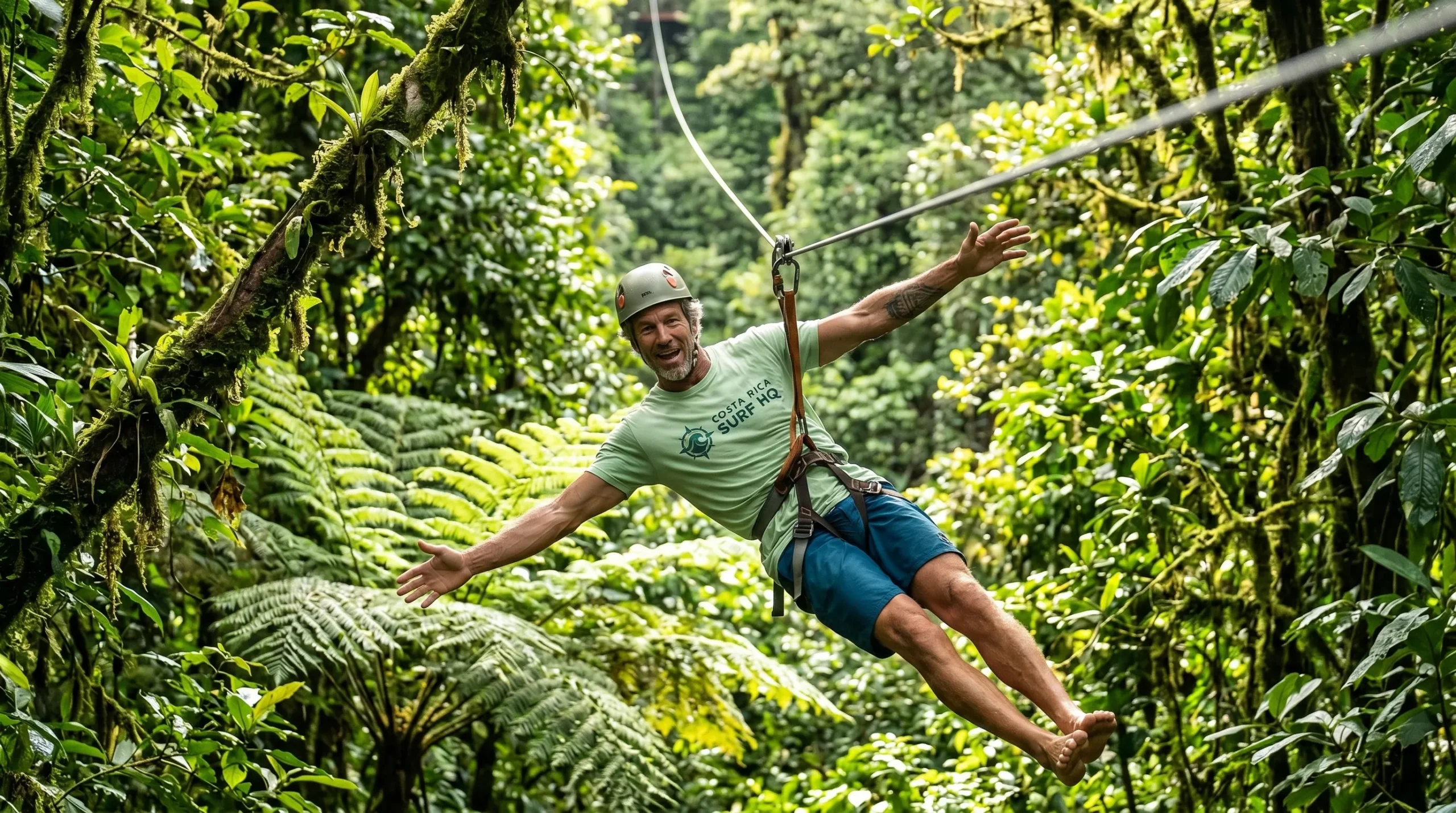
Canopy Zip-lining
Fly through Monteverde’s cloud forest canopy.
View Tours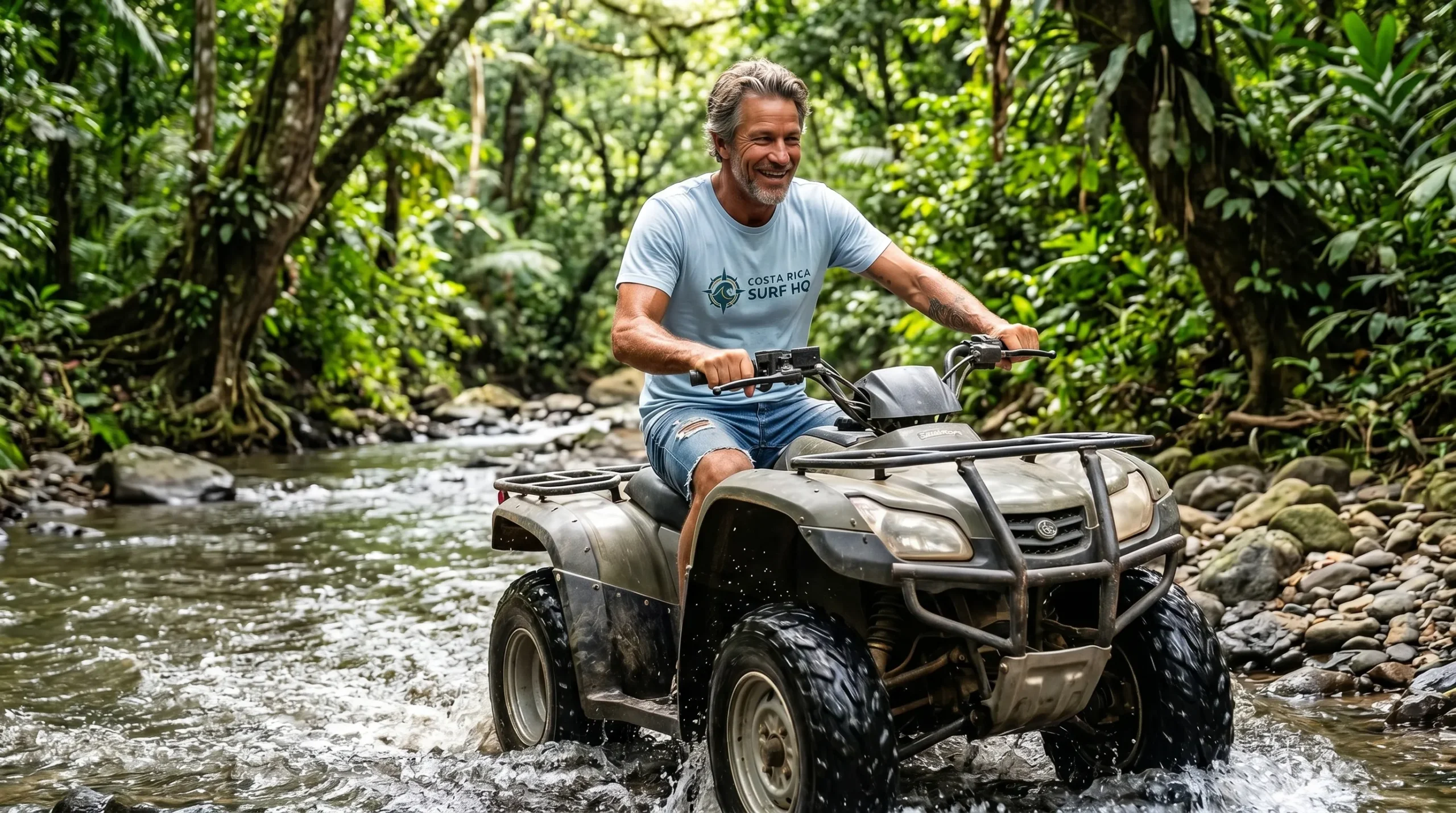
ATV Jungle Runs
Navigate muddy jungle trails to hidden waterfalls.
View Tours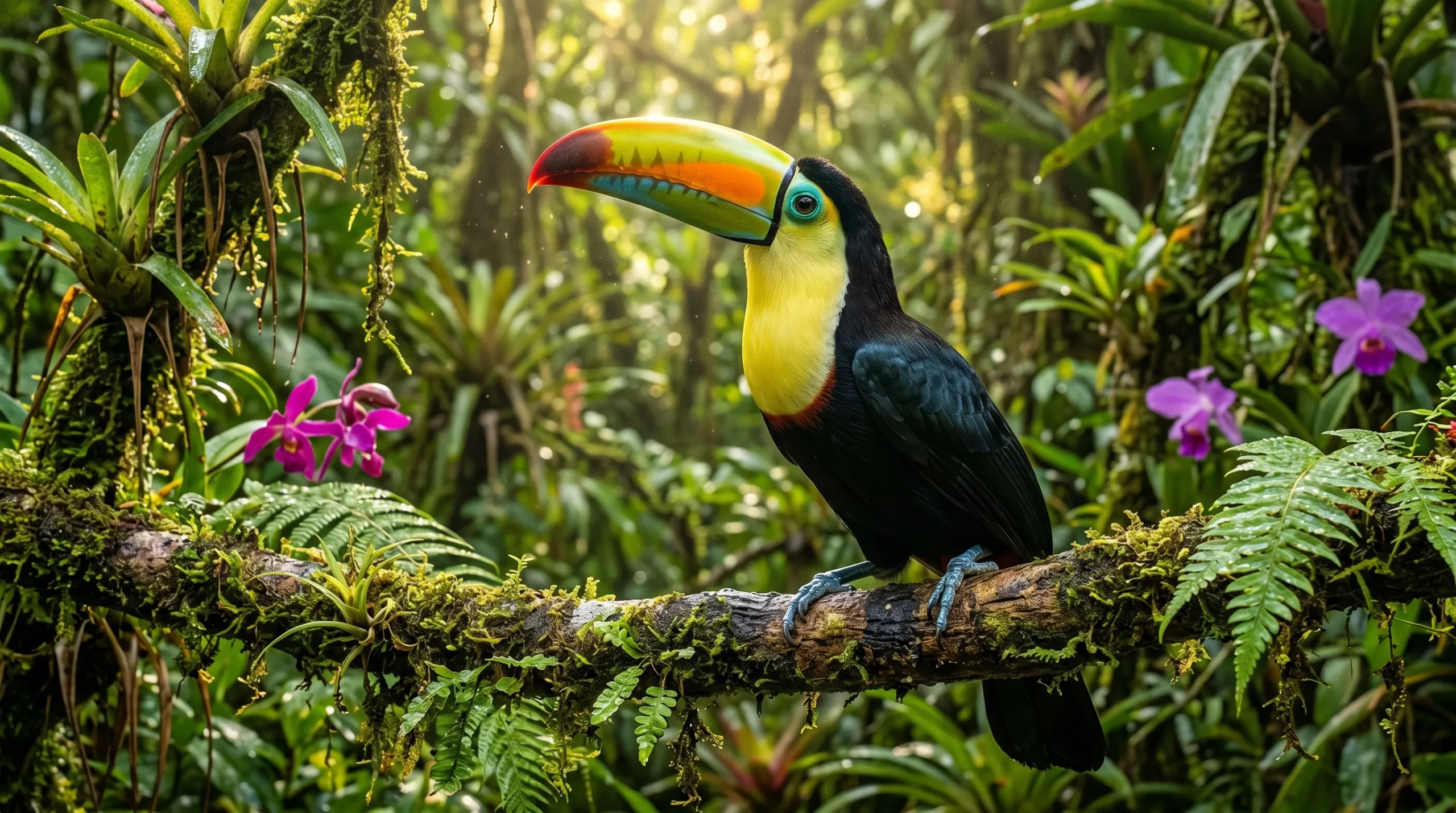
Wildlife Safaris
Spot sloths and toucans in Manuel Antonio.
View Tours
Volcano & Hot Springs
Recover in the geothermal baths of Arenal.
View ToursBook Your Off-Day Excursions
Don’t waste flat days sitting at the surf camp. Use GetYourGuide to instantly secure top-rated local operators for your inland adventures.
Explore Costa Rica ToursMission 04 Complete?
You’ve mastered the ground game. Now it’s time to ensure your body is ready for the lineup. Proceed to Mission 05 to dial in your physical preparation and surf fitness.
Initiate Physical Prep
Logistics Dilemmas?
Ask MikeyWhat’s up! If you’re wondering about specific border requirements, current river crossing conditions, or need help finding a reliable 4×4 rental, hit me up. I’ll get back to you between sessions.