
LIVE INTEL REPORT
Estimated Total Cost (Solo)
—
Avg: — / person / day
Lock in your parameters and run the calculation.
Send Results to Inbox
*Estimates are in USD. Prices fluctuate based on high/low season. Actual flight costs vary widely.
The Real Cost of Surfing in Costa Rica: A Comprehensive Surfer’s Price Index
Planning a Costa Rica surf trip requires understanding that while the country offers world-class, consistent waves across both its Pacific and Caribbean coasts, it is also the most expensive country in Central America for travelers. To prevent rapid cash burn on your deployment, you must look past general tourism averages and focus on raw, surfer-specific expenses. Before you set out, make sure you map your entire route using our comprehensive Mission 01: Spot Explorer to match your budget to the best local breaks.
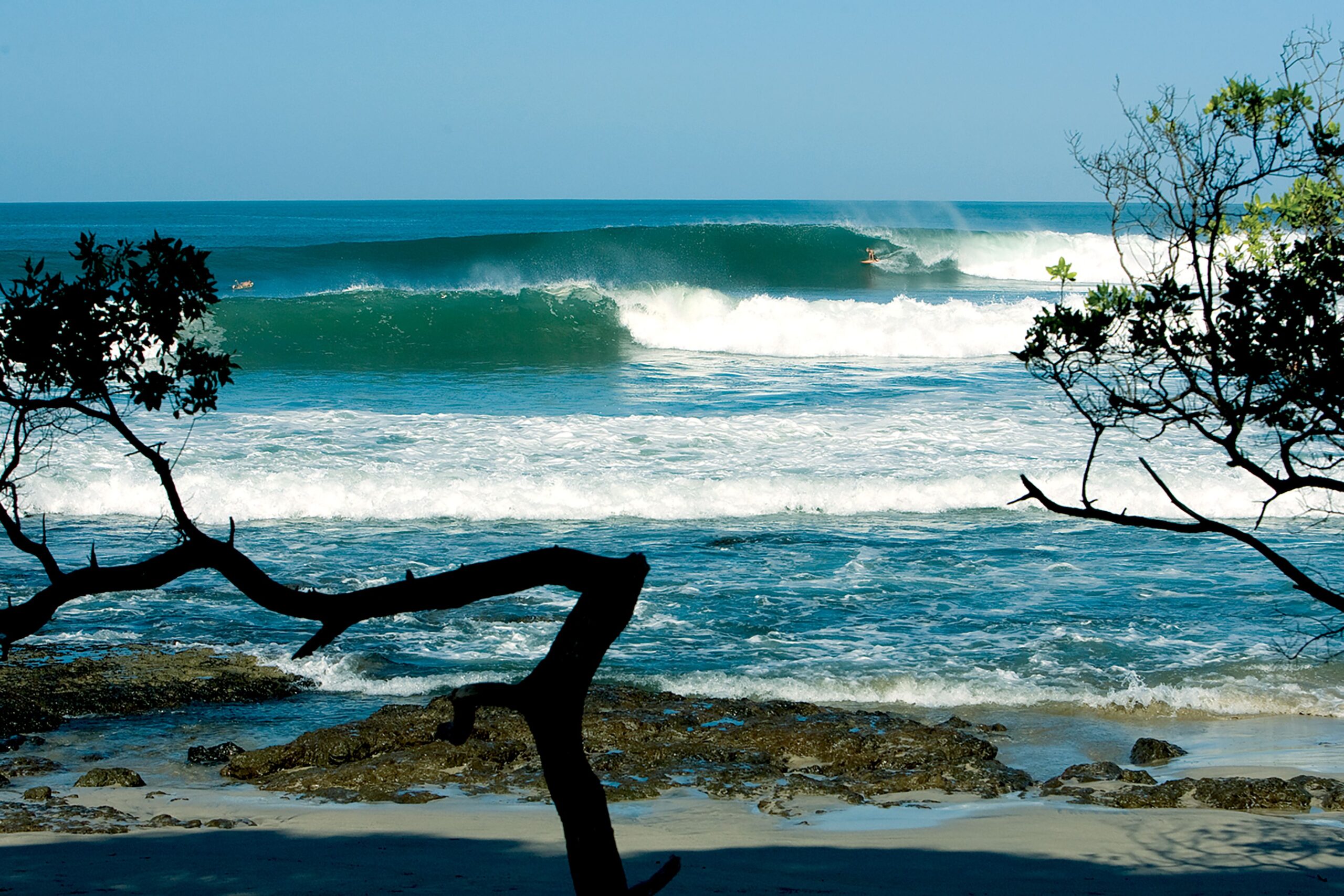
Surfer-specific costs in Costa Rica can vary heavily depending on your choice of region, board logistics, and food choices.
Below is an index of real-world costs mapped out across three distinct traveling styles, calculated in USD to help you budget with surgical precision. If you are trying to minimize lodging costs, you can cross-reference these estimates with our active directory of budget cabinas and hostels in our curated Mission 02: Basecamp Finder.
Costa Rica Surfer Expense Matrix (Updated for 2026)
| Expense Category | Budget “Salty Backpacker” | Mid-Range “Comfort Seeker” | Elite “All-Inclusive Resort” |
|---|---|---|---|
| Accommodation (Nightly) | $20 – $35 (Hostel Dorm / Fan) | $75 – $150 (Private Cabina w/ AC) | $250 – $600+ (Beachfront Resort) |
| Daily Meals (Sodas vs Cafes) | $15 – $25 (Local Sodas & Grocery) | $45 – $70 (Tourist Diners & Cafes) | $100+ (High-End Steaks & Bars) |
| Local Transport | Public Bus & Walking ($2 – $8/day) | Shared Shuttle or Scooter ($35-$55/day) | Private 4×4 SUV Rental ($80-$120/day) |
| Board Logistics | Bring Own (Airline Bag Fee: $150 RT) | Rental Board (Daily Hire: $20/day) | Premium Demo Quiver ($35 – $50/day) |
| Excursions & Tours | Self-Guided Hikes / Free Spots | Ziplining & Guided National Parks ($60) | Private Boat Charter / Scuba ($150+) |
Watch the Mission Briefing: Costa Rica Cost Guide
Prefer a visual briefing? Join Mikey on the ground in Costa Rica as he breaks down real grocery bills, hidden car rental fees, and tricks to stay right on the beach without paying resort prices.

Regional Price Variations: From “Tamarindo Pricing” to Remote Outposts
Not all surf towns in Costa Rica are priced equally. If you are staying in highly commercialized surf hubs (commonly referred to by locals as “gringo gulches”), you will pay a heavy premium on food, lodging, and surfboard repairs. If you venture off the beaten path, your purchasing power increases dramatically. Keep this in mind when comparing international flight routes to determine if flying into San Jose (SJO) or Liberia (LIR) gets you closer to your target zones.
1. High-Cost Surf Hubs
Tamarindo, Santa Teresa, & NosaraThese destinations feature highly developed infrastructure and immediate wave access, but carry US-style prices due to high density of international expats.
- • Beer (Imperial): $4.00 – $6.00
- • Dinner Out: $20.00 – $35.00
2. Moderate Surf Communities
Jaco, Dominical, & Puerto ViejoThese areas offer a perfect balance of excellent wave setups and local infrastructure without the extreme price tags of high-cost hubs.
- • Beer (Imperial): $2.50 – $4.00
- • Dinner Out: $12.00 – $18.00

3. Raw Budget Frontiers
Harder to reach (rough dirt roads and river crossings), which filters out casual tourists and keeps local family-run establishment costs down.
- • Beer (Imperial): $2.00 – $3.00
- • Dinner Out: $8.00 – $12.00
The Grocery & Local Eatery Breakdown: Eating Like a Local to Save 60%
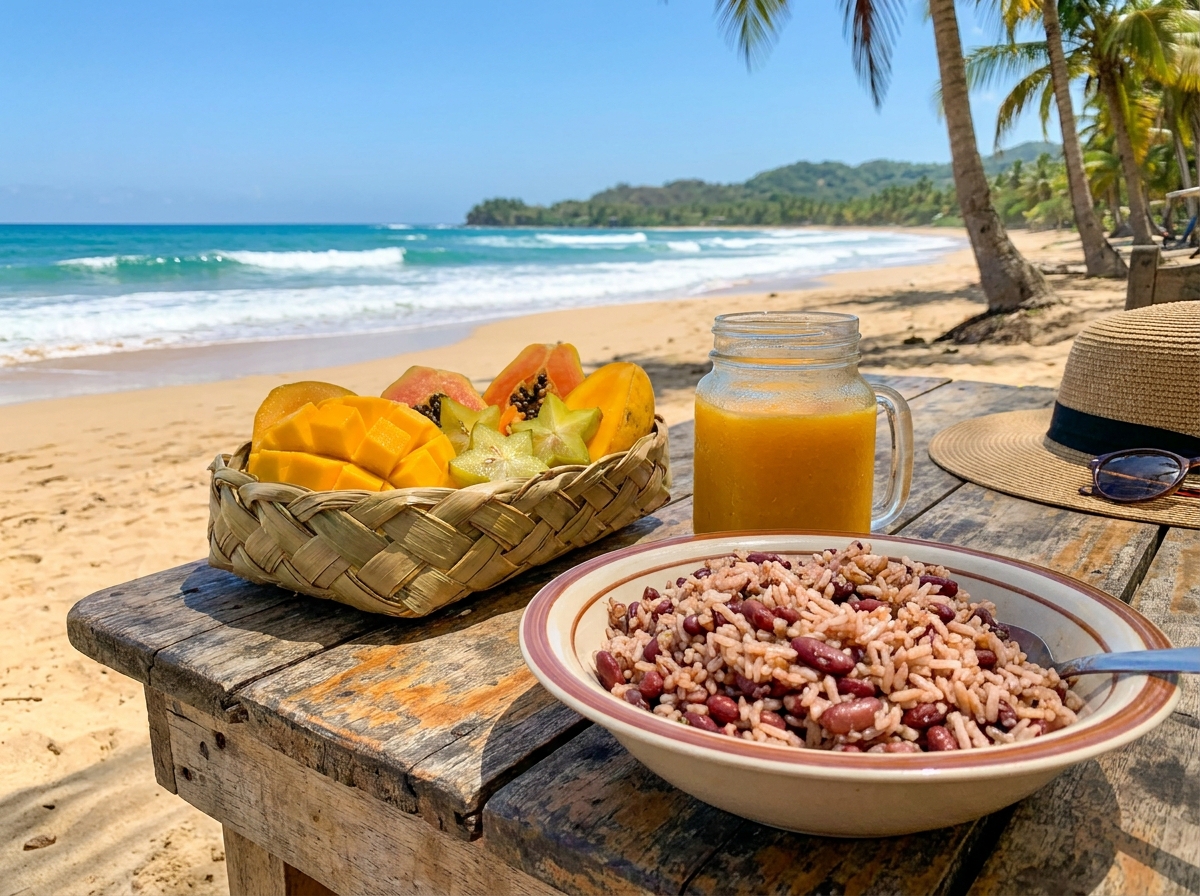
The fastest way to destroy your surf trip budget is by eating at international-style restaurants for every meal. By adopting local dining habits, you can cut your daily food expenses by more than half:
Your ultimate budget weapon is the Casado. Served at local restaurants called Sodas, this massive traditional plate includes rice, black beans, fried plantains, salad, and protein. A casado typically costs between 3,000 to 5,000 Colones ($6.00 – $10.00 USD) and is incredibly filling, perfect for post-surf refuels.
Shop at local grocery stores (often run by Chinese-Costa Rican families, locally called Chinos). Focus on local staples: black beans, rice, eggs, avocados, corn tortillas, and seasonal fruits like papayas and mangoes. Avoid imported US brands (like processed cereals or cheeses), which carry a 100% import tax premium.
Tactical FAQs: Navigating Surf Trip Hidden Fees
Is there a hidden cost to renting a car in Costa Rica? +
Yes. When renting a vehicle in Costa Rica, you are legally required to purchase Mandatory Third-Party Liability Insurance (TPL), which is rarely included in the initial online booking prices you see on travel aggregators. This mandatory government insurance can add $15 to $40 per day to your bill, sometimes doubling the cost of your rental. To avoid surprise charges at the desk, always compare and reserve all-inclusive car rental rates beforehand to prevent unexpected desk charges.
What are the best airline baggage policies for surfboard bags? +
Baggage fees vary widely by airline, and choosing the wrong carrier can cost you hundreds of extra dollars.
Copa Airlines & Avianca: Typically charge a flat rate of $100 to $150 each way for a surfboard bag containing up to 3 boards (maximum weight around 70 lbs).
United & American Airlines: Treat surfboard bags as standard checked luggage if they are under 50 lbs, making them highly economical options if you have elite status or a co-branded airline credit card.
Local Charters (Sansa): If you are flying domestically within Costa Rica (e.g., San Jose to Puerto Jimenez), boardbag space is highly limited. Sansa charges $30 to $50 per board bag, but acceptance is strictly subject to space availability on their small turboprop planes.
Can I get by with a standard 2WD vehicle for a surf trip? +
If your trip is strictly limited to the dry season (December to April) and you are staying in primary, paved hubs like Jaco or central Tamarindo, a standard front-wheel-drive sedan is perfectly adequate. However, if you are traveling during the green/rainy season (May to November) or plan to search for waves in remote locations like Playa Avellanas, Marbella, or Pavones, a high-clearance 4×4 vehicle is mandatory. Before renting, make sure to read our complete breakdown of road maps, river crossings, and vehicle recommendations inside our Mission 04: Travel Logistics guide.
What is the Value-Added Tax (IVA) in Costa Rica and does it affect tourists? +
Yes. Costa Rica applies a 13% Value-Added Tax (locally called IVA) to all goods, services, accommodations, and tours. When booking hotels or signing up for surf schools, always verify if the quoted price is IVA Incluido (tax included) or Más IVA (plus tax) to avoid a sudden 13% spike in your final invoice. Additionally, a 10% service charge is legally added directly to restaurant bills, which covers the staff tip. Because of these unexpected extras, purchasing comprehensive travel insurance policies is highly recommended to protect against injury and gear loss.
Mission 03 Complete
Budget parameters are officially locked. You now possess the financial intel required to execute your deployment. Proceed to the next briefing to master your ground game and local transportation logistics.
Proceed to Mission 04: Travel Logistics
Stuck on the Numbers?
Ask MikeyWhat’s up! If you’re trying to stretch your budget, wondering if a 4×4 is really necessary, or looking for the coolest cafes near the best breaks, hit me up. I’ll help you dial in your mission costs.